
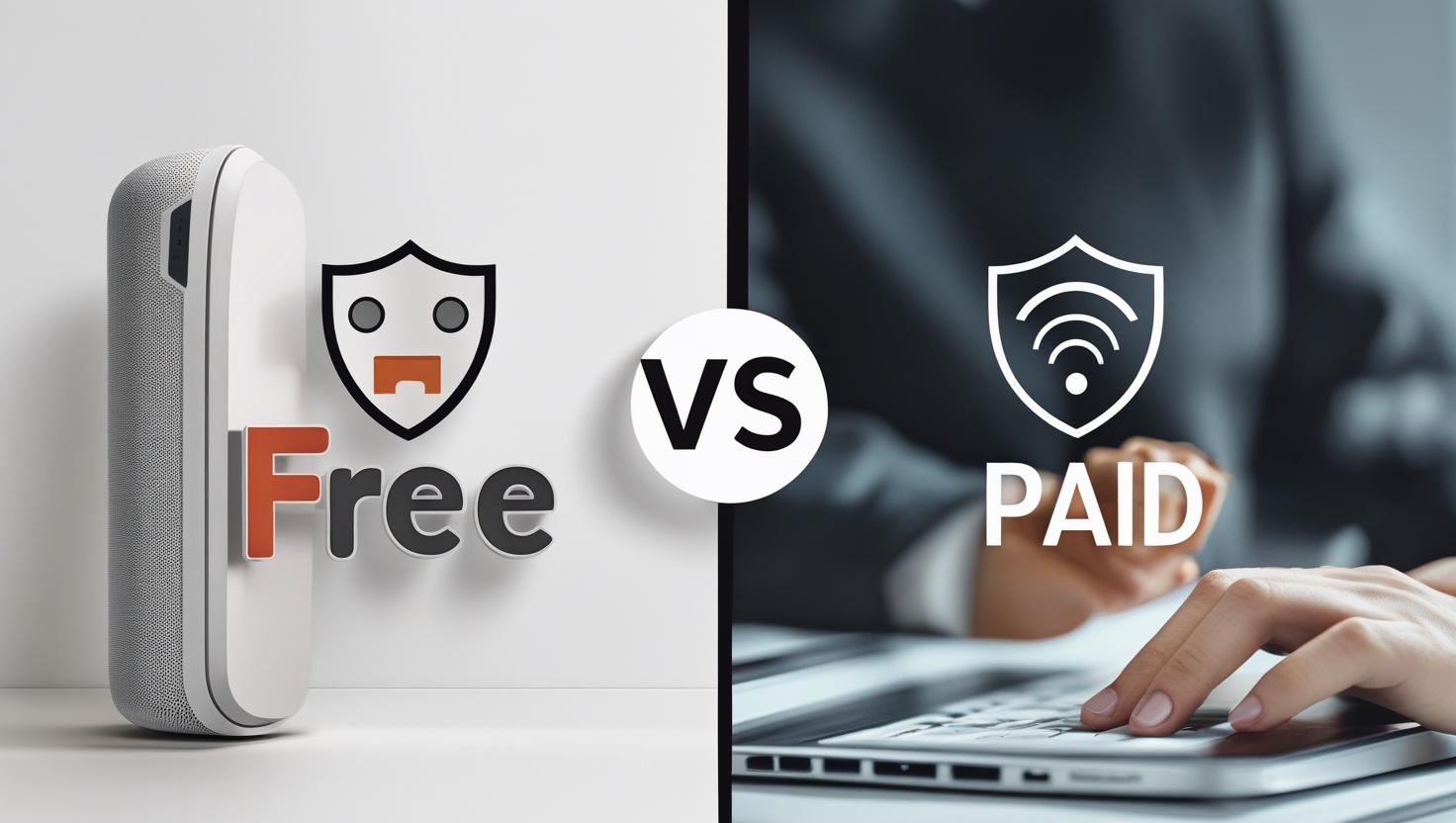
Free VPNs sound tempting. They promise privacy without asking for money. But like most free services online, there’s usually a catch. Sometimes it’s slower speed. Sometimes it’s limited servers. And sometimes, it’s your data being sold.
Here’s what you need to know before choosing.
Free VPNs—what you get
-
Basic encryption
-
A few server locations (often overcrowded)
-
Slower speeds, especially for video
-
Limited daily or monthly data
-
Fewer security features
-
Ads or upsell pop-ups
-
Some log your activity to stay profitable
Paid VPNs—what you unlock
-
Full-speed access across dozens of countries
-
No bandwidth caps
-
Stronger encryption and leak protection
-
Streaming and gaming optimization
-
Extra tools like ad-blockers, malware protection, or split tunneling
-
Zero-logs policies, often audited
-
Customer support when you need help
That doesn’t mean all free VPNs are dangerous. A few reputable ones offer safe, basic versions – ProtonVPN Free, Windscribe, or TunnelBear, for example. But they’re better for short-term or light use, not daily privacy.
If you’re using a VPN for work, travel, or protecting personal data, going paid gives you more control, speed, and peace of mind.
Curious how the top VPNs compare in real use? See which services lead in 2025.